< Blog/Kitchen Design Trends
Kitchen Design Trends
MAY 22, 2026 · UPDATED OCT 31, 2026 · 4 MIN READ · Thailand Kitchens
Mixing Metals and Materials Without Clashing
Brass taps, black handles, steel appliances and stone. The rules that keep a mixed palette coherent.

Two metals, one dominant
Mixing metals works when one clearly leads and the second appears deliberately. Brass as the accent on a predominantly steel kitchen reads as considered; equal amounts of three metals reads as indecision.
Group by function, not by proximity
Keep all the handles one finish and all the tapware another. Mixing finishes within the same category looks like a mistake, while separating by function makes the difference look intentional.

Letting the appliances count
Stainless ovens, hobs and extraction are metal whether or not you planned them as part of the palette. Count them before adding a third finish, which is where most mixed schemes tip over.
Materials follow the same logic
The same principle governs timber, stone and lacquer. Two primary materials with one accent is a scheme; four materials competing equally is noise. Decide which surface is the hero and subordinate the rest to it.

One leads, one accents
Keep handles one finish and tapware another. Never mix finishes within the same category.
“Mixed metals look confident when one of them is clearly in charge.”
— Thailand Kitchens design team


Request Your Free Kitchen Consultation
No commitment. No hidden fees. Just expert advice and a clear starting point for your project.
- A design consultant reviews your space and goals
- Honest guidance on materials, layout, and budget
- Free consultation — no obligation to proceed
Continue Reading
Related Journal Entries
View all Journal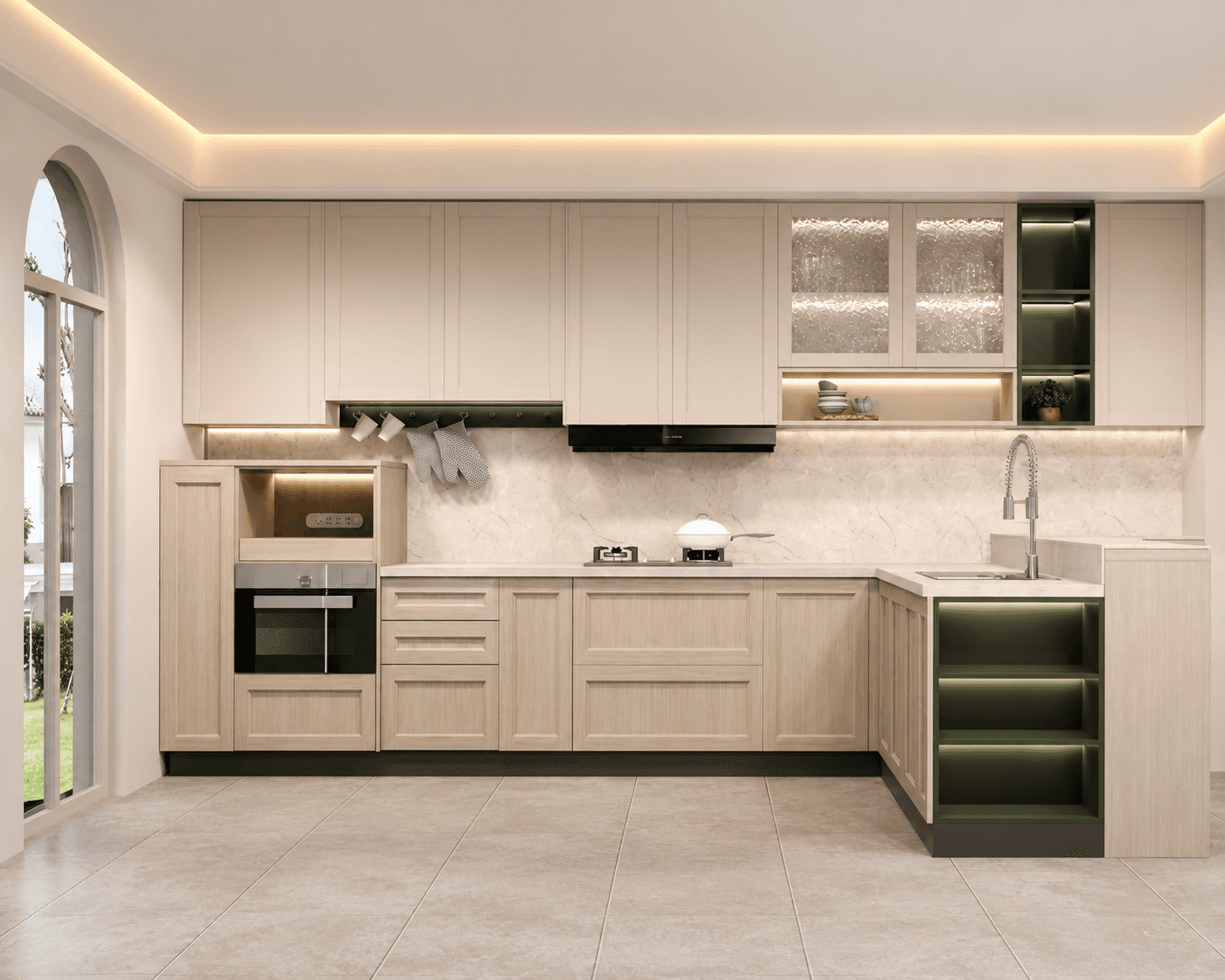
Craftsmanship
The Art of Teak: Why Heritage Timber Remains the Ultimate Kitchen Luxury
From grain to finish, teak brings warmth, strength, and lasting character to every kitchen we craft—rooted in Thai heritage and modern living.
Read Article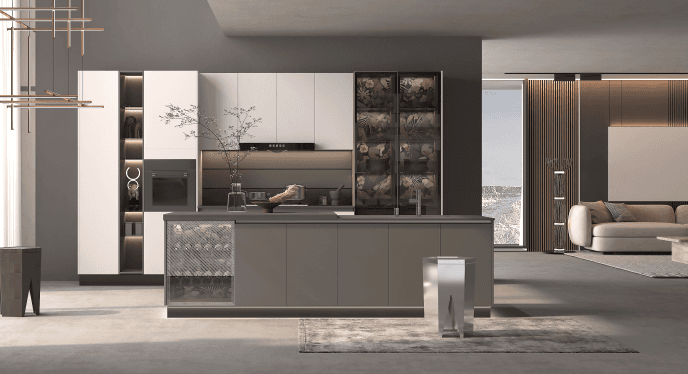
Layout & Space
Open Concept Living: Designing a Kitchen That Connects the Whole Home
An open kitchen can become the heart of family life. Here’s how thoughtful layout and proportion create flow without sacrificing function.
Read Article