< Blog/Materials
Materials
AUG 5, 2026 · UPDATED OCT 31, 2026 · 5 MIN READ · Thailand Kitchens
Glass, Tile and Steel: Choosing a Kitchen Splashback
The splashback takes the worst of Thai cooking. Three materials, three very different cleaning routines.

What the splashback has to survive
Behind a wok burner you get high heat, aerosolised oil and frequent aggressive cleaning. Whatever goes there needs to tolerate all three, and the junction with the worktop has to be sealed so nothing gets behind it.
Back-painted glass
A single pane with no grout lines, wiped clean in seconds, available in any colour. It needs accurate templating because it cannot be cut on site, and toughened glass must be specified behind a hob.

Tile
The most flexible and the most forgiving to install around awkward walls, but grout is the weak point. Grease works into grout lines and discolours them over time; an epoxy grout costs more and solves most of that.
Stainless and stone
A stainless sheet is the most practical choice behind a serious wok burner. A continuous slab of the worktop material carried up the wall gives the most seamless look and the highest cost. Both avoid grout entirely.

Avoid grout behind the wok
Grease permanently discolours standard grout. Use glass, steel or a stone upstand behind the hob.
“Everything behind a wok burner gets tested properly within a month.”
— Thailand Kitchens workshop


Request Your Free Kitchen Consultation
No commitment. No hidden fees. Just expert advice and a clear starting point for your project.
- A design consultant reviews your space and goals
- Honest guidance on materials, layout, and budget
- Free consultation — no obligation to proceed
Continue Reading
Related Journal Entries
View all Journal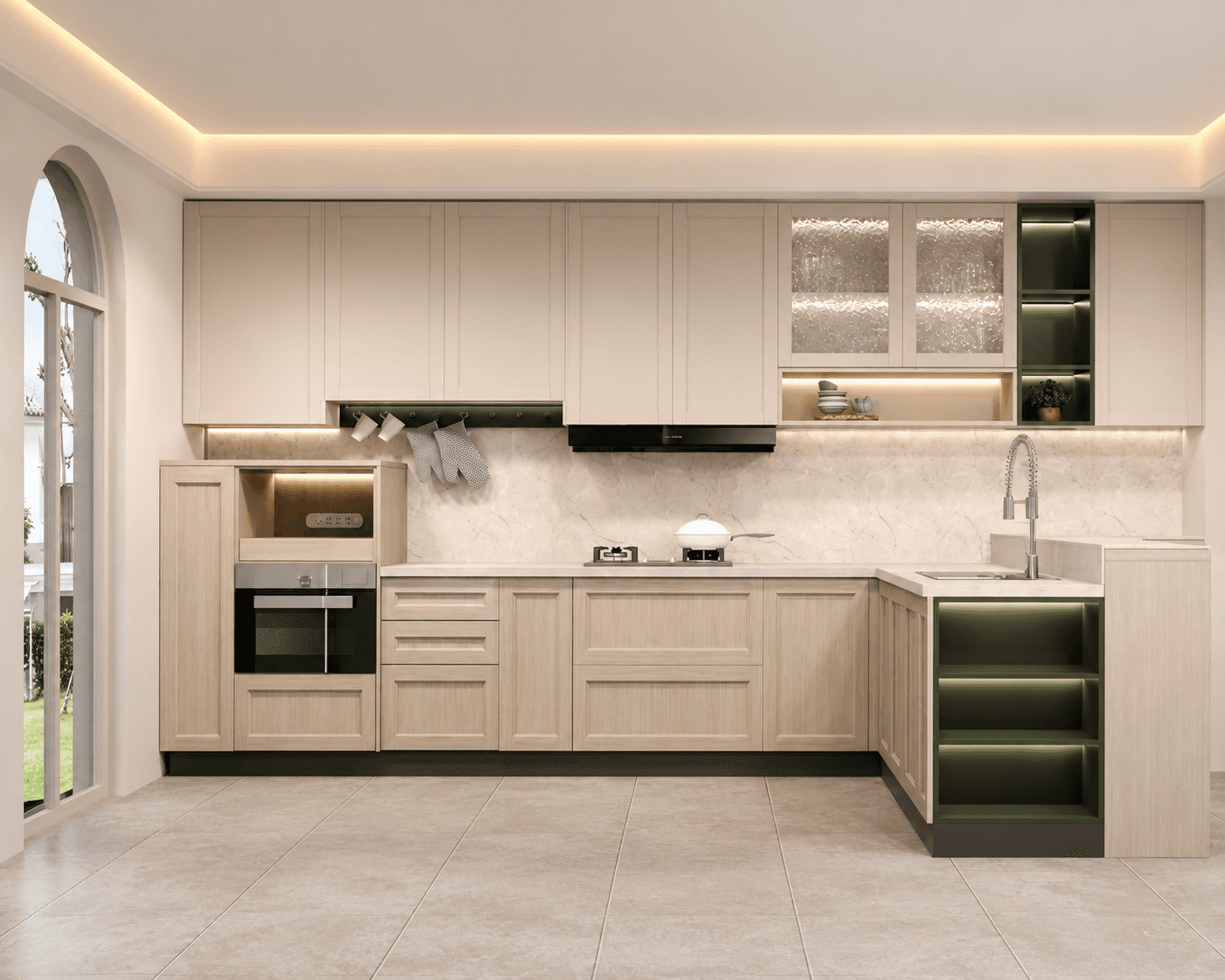
Craftsmanship
The Art of Teak: Why Heritage Timber Remains the Ultimate Kitchen Luxury
From grain to finish, teak brings warmth, strength, and lasting character to every kitchen we craft—rooted in Thai heritage and modern living.
Read Article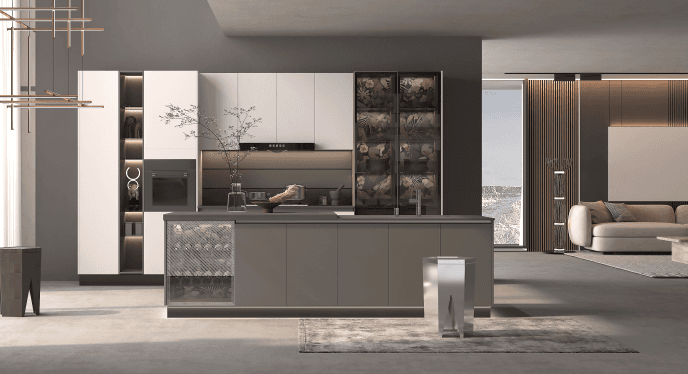
Layout & Space
Open Concept Living: Designing a Kitchen That Connects the Whole Home
An open kitchen can become the heart of family life. Here’s how thoughtful layout and proportion create flow without sacrificing function.
Read Article