
< Blog/Material Guides
Material Guides
JUL 12, 2026 · UPDATED OCT 31, 2026 · 4 MIN READ · Thailand Kitchens
Choosing Worktop Edge Profiles
A small detail that changes the whole proportion of a kitchen, and affects how easily the worktop chips.

Square, eased and bevelled
A true square edge looks sharpest and chips most easily. An eased edge, with a very slight radius, reads as square but survives knocks. A bevel adds a visible chamfer and suits more traditional schemes.
Thickness and visual weight
A 20mm top reads light and contemporary; a 60mm mitred edge reads solid and expensive. The mitre is a fabricated illusion over a thinner slab, and the quality of that joint is what separates a good fabricator from a poor one.

Waterfall and full-height ends
Carrying the worktop down the side of an island is dramatic and demands accurate vein matching at the mitre. Done well it is the single most photographed detail in a kitchen; done badly the mismatch is impossible to ignore.
Practicality at the sink
Whatever profile is chosen, the detail at the sink matters most. A drainer groove, a slight fall toward the bowl and a clean undermount junction do more for daily use than the profile shape ever will.

Choose eased, not square
An eased edge looks square from a metre away and chips far less in daily use.
“Edge profiles are a two-minute conversation that you look at every day for twenty years.”
— Thailand Kitchens design team


Request Your Free Kitchen Consultation
No commitment. No hidden fees. Just expert advice and a clear starting point for your project.
- A design consultant reviews your space and goals
- Honest guidance on materials, layout, and budget
- Free consultation — no obligation to proceed
Continue Reading
Related Journal Entries
View all Journal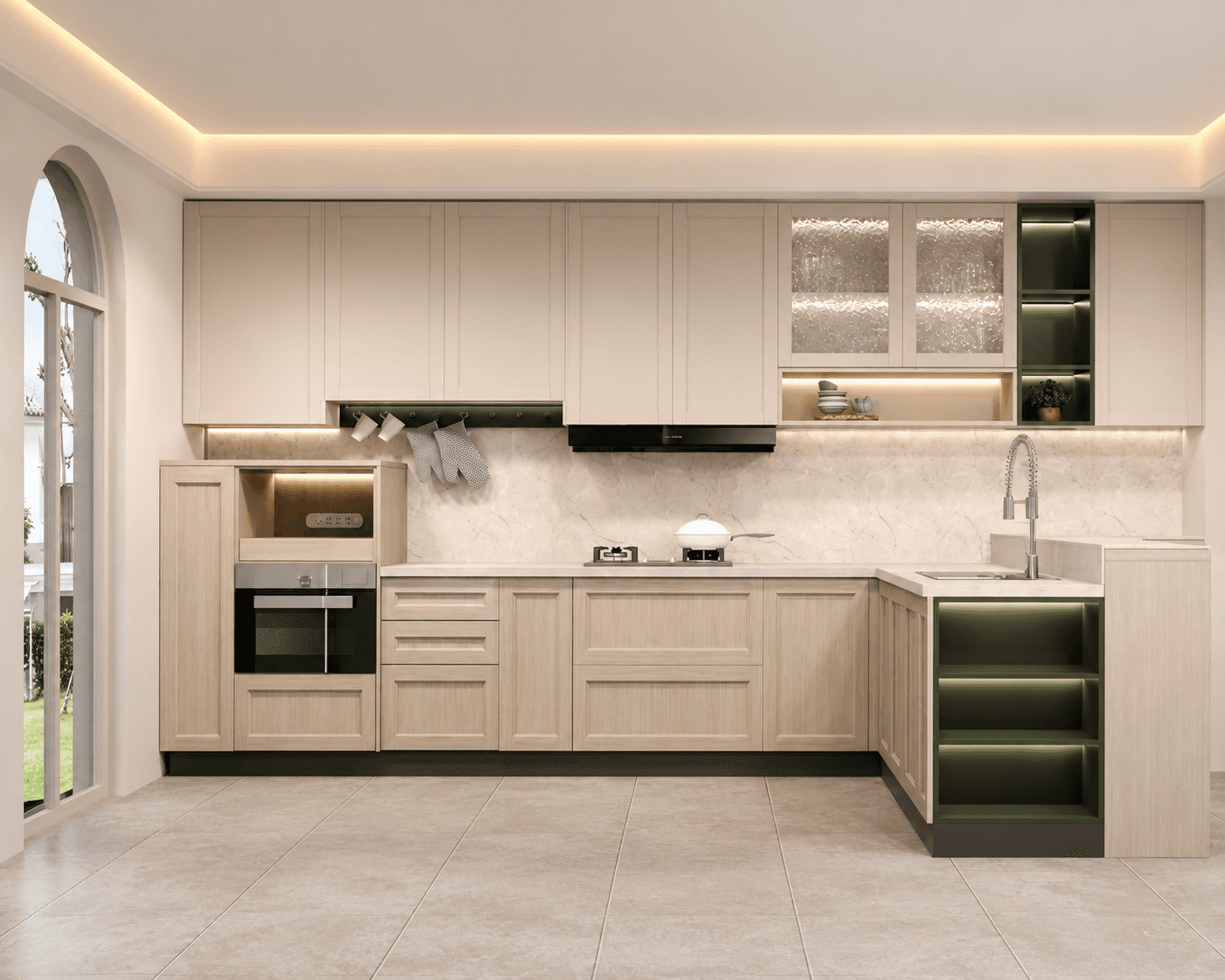
Craftsmanship
The Art of Teak: Why Heritage Timber Remains the Ultimate Kitchen Luxury
From grain to finish, teak brings warmth, strength, and lasting character to every kitchen we craft—rooted in Thai heritage and modern living.
Read Article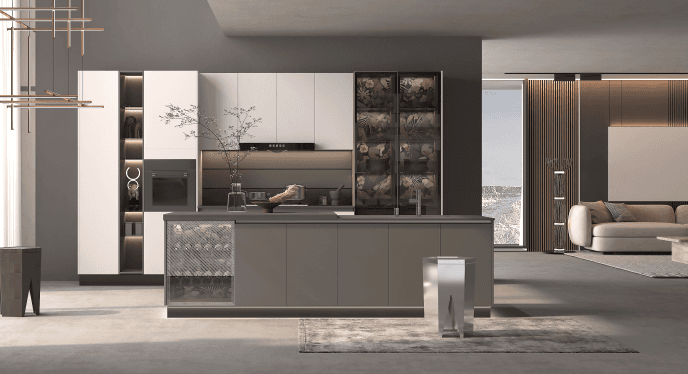
Layout & Space
Open Concept Living: Designing a Kitchen That Connects the Whole Home
An open kitchen can become the heart of family life. Here’s how thoughtful layout and proportion create flow without sacrificing function.
Read Article